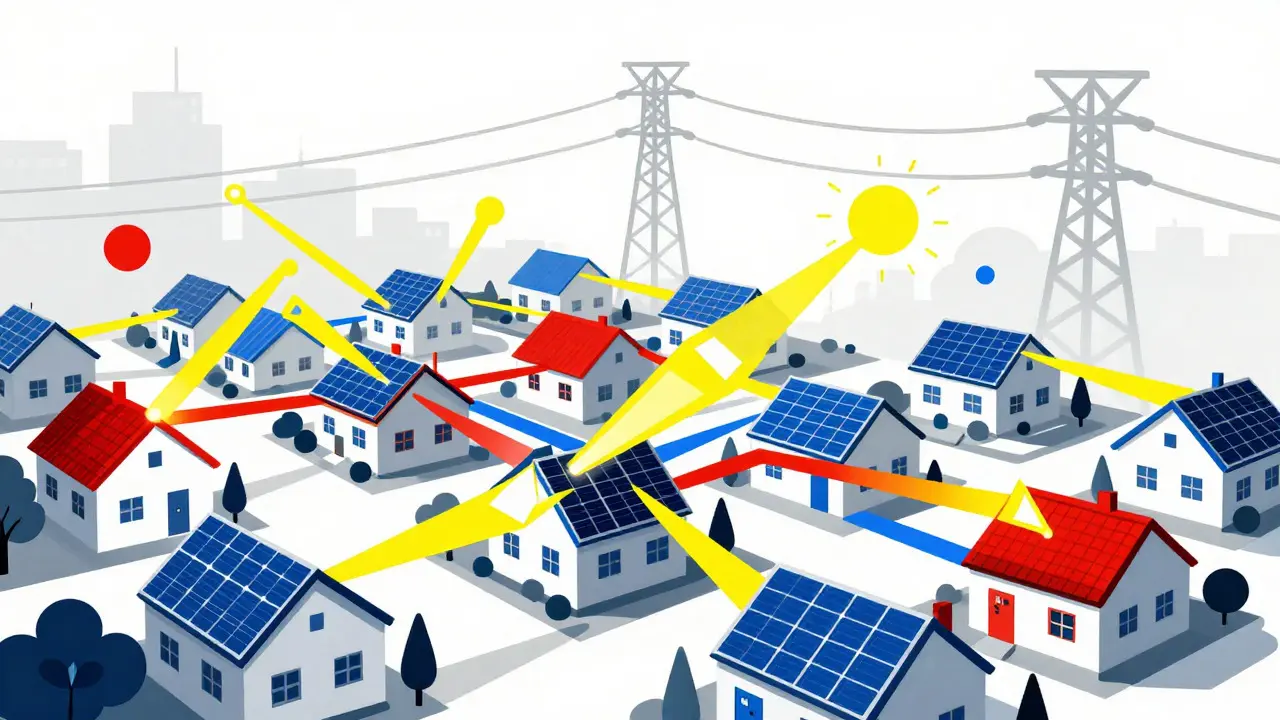
Imagine selling the excess solar power from your roof directly to your neighbor without calling a utility company or waiting weeks for a bill. That is the promise of energy blockchain, a technology that uses distributed ledgers to enable transparent, automated, and direct energy transactions. As renewable energy adoption grows, traditional centralized grids are struggling to handle the complexity of millions of small-scale producers and consumers. Blockchain offers a solution by removing intermediaries, lowering costs, and giving local communities control over their own power markets.
This guide breaks down how these platforms work, which technologies power them, and why specific projects like LO3 Energy are leading the charge in making this technology practical for everyday users.
The Core Value of Decentralized Energy Markets
Traditional energy systems rely on large utilities to generate, transmit, and sell power. This model works for bulk distribution but fails when you want to trade small amounts of electricity locally. The core value proposition of energy blockchain is simple: eliminate the middleman. By using smart contracts, two parties can agree to trade energy at a set price, with the transaction recorded automatically on an immutable ledger.
This approach brings three main benefits:
- Lower Costs: Removing utility fees and administrative overhead reduces the final price of energy for both buyers and sellers.
- Transparency: Every transaction is visible on the public ledger, ensuring fair pricing and preventing fraud.
- Local Autonomy: Communities can create microgrids where energy is shared among neighbors, enhancing resilience during outages.
For homeowners with solar panels, this means turning their roof into a revenue source rather than just a cost-saving tool. For businesses, it provides a reliable way to source green energy directly from verified local producers.
LO3 Energy and the Exergy Platform
While many general-purpose blockchains can technically handle energy data, specialized platforms offer better user experiences and optimized performance. LO3 Energy stands out as a leader in this niche, specifically through its flagship product, Exergy, a system that allows households to buy or sell renewable energy from neighbors with a single click.
What makes Exergy different is its focus on usability and scalability. Most blockchain interfaces are complex and intimidating for non-technical users. Exergy abstracts away the crypto details, allowing users to interact with energy tokens as if they were regular currency. Behind the scenes, however, sophisticated technology ensures the network can handle high volumes of microtransactions without crashing.
The platform utilizes localized microgrid-specific sub-networks. Instead of processing every transaction on a global mainnet, it optimizes processing within regional energy systems. This keeps latency low and fees minimal, which is critical when you are trading fractions of a cent worth of electricity.
Comparing Blockchain Platforms for Energy Use Cases
Not all blockchains are created equal. When choosing a foundation for an energy project, developers must balance speed, cost, security, and ecosystem support. Below is a comparison of major platforms currently used or considered for energy applications.
| Platform | Key Strength for Energy | Transaction Speed | Cost Efficiency | Best For |
|---|---|---|---|---|
| Ethereum | Largest developer ecosystem and smart contract standards | Moderate (15-30 TPS) | Low (High gas fees) | Complex DeFi integrations and carbon credits |
| Solana | High throughput and low latency | Very High (65,000+ TPS) | High (Low fees) | Real-time metering and high-frequency trading |
| Binance Smart Chain | Lowest transaction costs among major L1s | High (30+ TPS) | Very High | Micro-transactions and mass consumer apps |
| Cardano | Energy-efficient Proof-of-Stake consensus | Moderate (25 TPS) | Moderate | Sustainable projects prioritizing environmental impact |
| Polkadot | Cross-chain interoperability | Variable (Depends on parachain) | Moderate | Connecting different energy networks and utilities |
Ethereum remains the dominant choice for infrastructure due to its mature ecosystem, but its higher fees make it less ideal for frequent, low-value energy trades. Solana, on the other hand, handles thousands of transactions per second, making it perfect for real-time smart meter data. However, newer architectures sometimes face stability challenges compared to Ethereum's battle-tested network. Cardano appeals to environmentally conscious projects because its Proof-of-Stake mechanism consumes significantly less energy than older Proof-of-Work systems.
Scalability Solutions: Handling Millions of Transactions
The biggest hurdle for energy blockchain isn't security-it's scale. A single household might send hundreds of tiny energy updates per day via a smart meter. Multiply that by millions of homes, and most blockchains would clog up instantly. Specialized platforms address this with several key technologies:
- AI Transaction Batching: Instead of recording every single kilowatt-hour change on-chain, AI algorithms combine multiple microtransactions into a single larger transaction. This reduces network congestion and cuts costs dramatically.
- Predictive Load Balancing: Algorithms anticipate demand spikes in specific regions and allocate network resources dynamically. This ensures that when a neighborhood starts buying more power, the network doesn't slow down.
- Layer-2 Scaling: Processing transactions off the main chain and settling them later. This allows for near-instant confirmation times while maintaining the security of the main layer.
- Sharding: Splitting the network into smaller parts that process transactions in parallel, increasing overall capacity.
These techniques allow platforms like LO3 Energy to manage high-speed, cost-effective transaction processing, which is essential for critical energy infrastructure that cannot afford downtime.
Implementation Challenges and User Experience
Building an energy blockchain application is not just about coding; it involves navigating regulations and hardware integration. Implementation timelines typically range from 6 to 12 months for comprehensive platforms. Developers need expertise in distributed ledger fundamentals, smart contract development, and tokenization mechanisms.
However, the end-user experience is changing. Older implementations required users to manage digital wallets and private keys manually. Newer platforms focus on abstraction. For example, LO3 Energy’s Exergy system allows users to trade energy with a single click, hiding the complex backend operations. This lowers the barrier to entry, making it accessible to average homeowners rather than just tech-savvy early adopters.
Regulatory support is also growing. Many jurisdictions are beginning to recognize peer-to-peer energy trading, creating a clearer legal framework for these platforms to operate. In Europe and North America, enterprise adoption is accelerating as utilities look to integrate blockchain for certificate trading and carbon credit management.
Future Trends: IoT and Smart Grid Integration
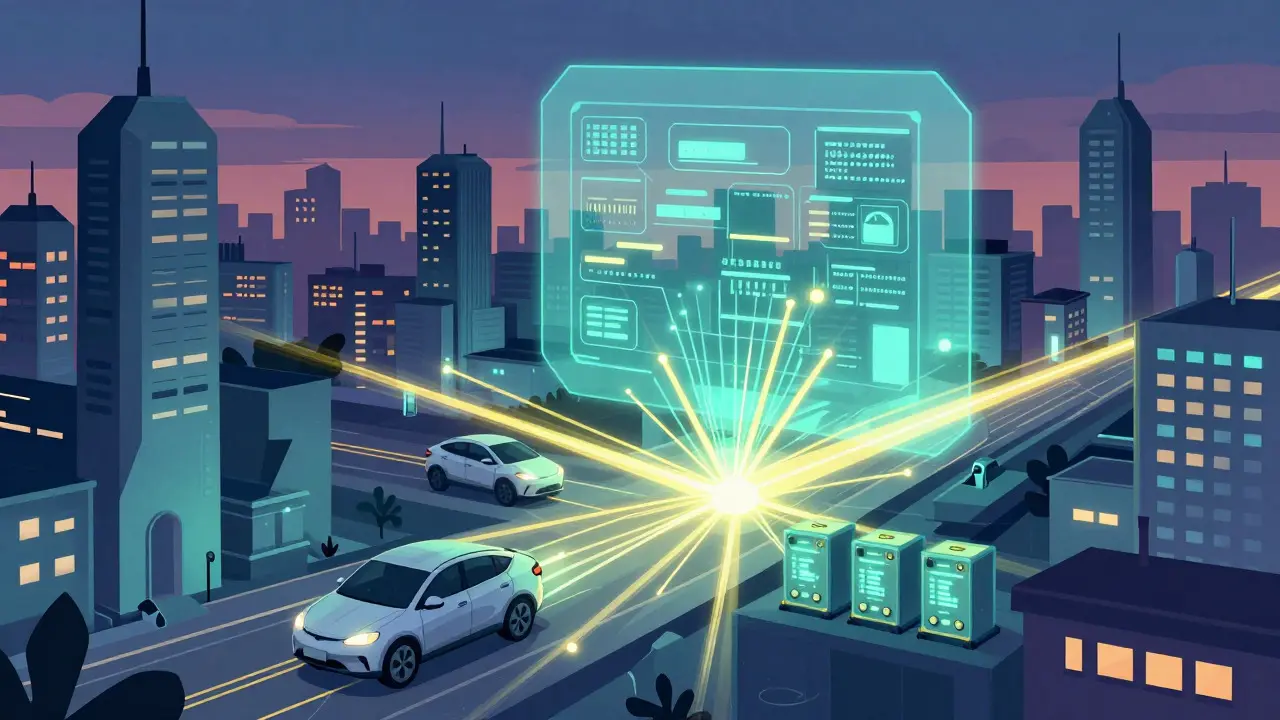
The next phase of energy blockchain involves deeper integration with the Internet of Things (IoT). Smart meters, electric vehicles, and home batteries will communicate directly with the blockchain. This creates an automated market where your EV charges itself when electricity prices drop, or your battery sells power back to the grid when rates peak-all without human intervention.
We are moving toward a future where energy blockchain platforms become fundamental components of next-generation energy market infrastructure. The combination of AI-driven optimization, cross-chain compatibility, and seamless user interfaces will determine which platforms survive and thrive in this competitive landscape.
Frequently Asked Questions
Do I need to be a tech expert to use an energy blockchain platform?
No. Modern platforms like LO3 Energy's Exergy are designed for end-users. They abstract away the complex blockchain mechanics, allowing you to buy or sell energy with simple clicks, similar to using a banking app.
Which blockchain is best for real-time energy trading?
Solana is often cited as the best option for real-time trading due to its ability to handle thousands of transactions per second at low cost. However, specialized Layer-2 solutions on Ethereum or dedicated platforms like LO3 Energy also offer high performance tailored specifically for energy workflows.
How does blockchain reduce energy costs?
By eliminating intermediaries like traditional utility brokers and reducing administrative overhead. Smart contracts automate settlement, removing the need for manual billing processes and associated fees.
Is energy blockchain secure enough for critical infrastructure?
Yes. Blockchain provides an immutable record of transactions, reducing the risk of fraud and data tampering. Combined with AI-based load balancing and robust consensus mechanisms, these platforms meet the reliability standards required for energy grids.
What is the difference between a general-purpose blockchain and a specialized energy platform?
General-purpose blockchains like Ethereum require developers to build custom energy logic from scratch. Specialized platforms like LO3 Energy come pre-configured with features like AI transaction batching and local microgrid optimization, saving time and improving efficiency for energy-specific tasks.
Comments
Carmene Jackson
okay so basically this whole thing is just about how much energy we waste right? i feel like if we just all agreed to be nicer to each other the grid would work better. it’s exhausting thinking about all these ledgers when we could just talk to our neighbors.
August 21, 2026 at 09:01
Stephanie Millar
From a British perspective, the idea of 'local autonomy' is fascinating! It reminds me of our community gardens, but for electricity! I think the key here is that it empowers the individual! We are no longer just passive consumers! We are active participants in the energy ecosystem! The transparency aspect is particularly appealing to us, as we value fairness above all else!
August 23, 2026 at 05:35
Nikki keller
It is interesting to consider the philosophical implications of decentralization here. When we remove the central authority, do we truly gain freedom, or do we simply trade one set of complexities for another? The transition from a utility model to a peer-to-peer model suggests a shift in social contract. We must trust the code, not the corporation. This requires a different kind of civic engagement. However, the potential for local resilience during outages is undeniable. It aligns with a more organic view of community support systems. The technology serves the human need for connection and reliability. We should welcome this evolution with open minds. The barrier to entry is lowering, which is promising. Let us hope the implementation matches the theory. It is a significant step forward for distributed power. The future looks bright for those who adapt. We are witnessing a paradigm shift in real time. The details matter, but the direction is clear. Decentralization is not just technical; it is social. We are building a new infrastructure for trust. This is a moment worth reflecting on deeply.
August 23, 2026 at 06:03
Ami Elizabeth
honestly i dont get why everyone is so hyped about this. my electric bill is still high and i dont even know what a smart contract is. feels like they are selling snake oil again. also the spelling in some of these articles is always off but whatever.
August 24, 2026 at 17:56
Ashley Snyder
I think the point about usability is super important. If it's too complicated, nobody will use it. I love that Exergy seems to hide the crypto stuff. Makes it feel like a normal app instead of a tech demo. That's how you get regular people on board.
August 26, 2026 at 12:32
Kate Staab
Oh, how delightful. Another grand promise of blockchain saving us from ourselves. As if the problem was ever the middleman, rather than our own insatiable greed for cheap electrons. The moral hazard of selling your roof's surplus to a neighbor who probably drives a gas guzzler is... well, let's not dwell on it. But one must wonder: is this efficiency, or merely a more sophisticated way to exploit the commons? The drama of it all is quite exhausting, frankly. One hopes for a return to simple, regulated sanity. Until then, we shall watch with bated breath and raised eyebrows.
August 26, 2026 at 14:50
Leah Humphrey
The scalability argument hinges on L2 solutions and sharding, which is standard fare now. But the real bottleneck isn't TPS, it's the oracle problem for real-time metering data integrity. If your input data is garbage, your decentralized ledger is just a fancy database of errors. The jargon around 'AI transaction batching' is doing a lot of heavy lifting there. We need rigorous audits of the consensus mechanisms before we call this critical infrastructure ready. Don't sleep on the regulatory fragmentation either. Cross-border energy trading via blockchain is a nightmare of compliance. The tech is fine, the execution is where it fails.
August 28, 2026 at 08:02
Jay Johhnston
Good points on the hardware integration. I've seen a few pilots in Europe where the smart meters had to be retrofitted, which added significant cost. The timeline of 6-12 months seems realistic for a full platform launch, but maybe optimistic for widespread adoption. It depends heavily on utility cooperation. Without their buy-in, the last mile is hard to cross.
August 29, 2026 at 10:08
Niall O'Rourke
sure sure. blockchain. very cool. i bet the average person doesn't care about your immutable ledger. they care about the price tag. if it costs more than the old way its a joke. also i find it pretentious to assume we want to trade with our neighbors. some of us like our privacy. stop trying to make everything a community project. it's just marketing fluff dressed up as innovation. but go ahead. keep telling yourself it's the future.
August 29, 2026 at 11:58
Jillian Groskreutz
Let's be precise here! The article conflates several distinct technological layers! Solana's throughput is impressive, but its history of network downtime is a non-trivial risk factor for 'critical infrastructure.' To suggest it is 'perfect' for real-time metering without addressing finality times is intellectually lazy! Furthermore, the claim that AI batching reduces costs dramatically ignores the computational overhead of running inference models at the edge. This is not a solved problem! We are discussing the backbone of civilization, not a video game! Read the whitepapers before you form an opinion!
August 30, 2026 at 00:18