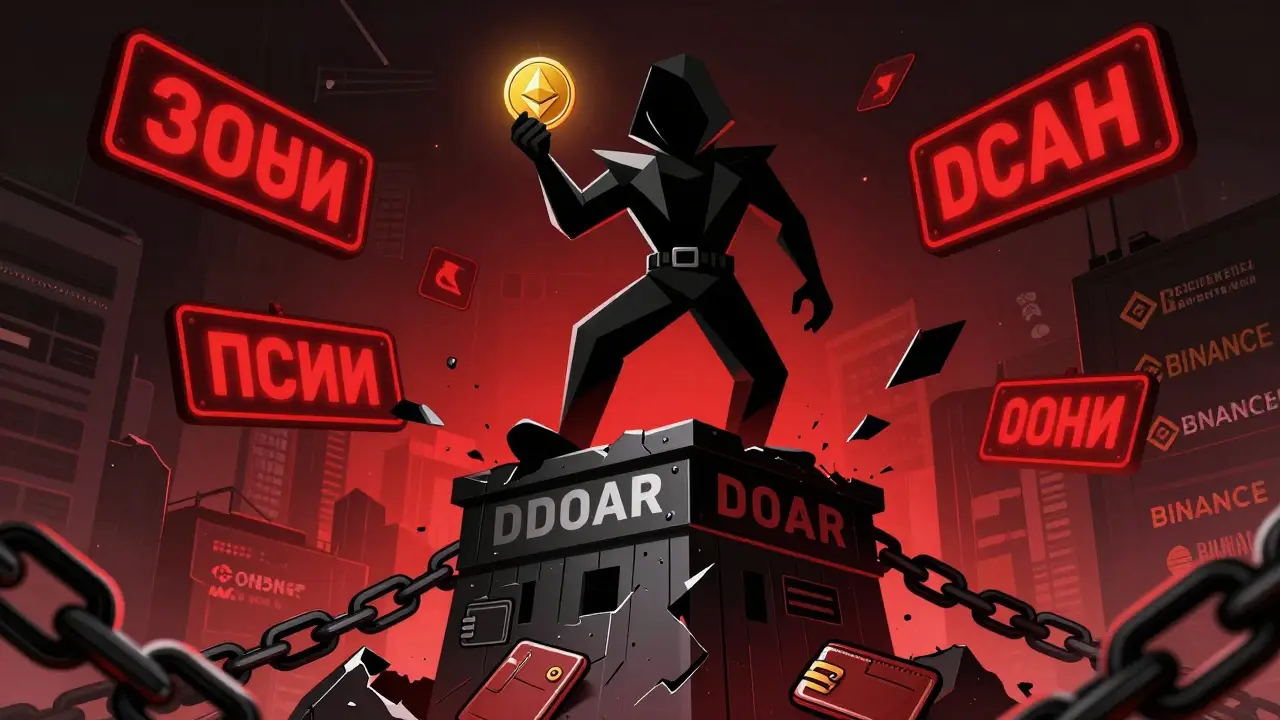
There’s no verified information about a crypto exchange called DOOAR. Not on official Ethereum documentation. Not on CoinMarketCap, CoinGecko, or any major crypto watchdog site. Not even in the blockchain explorer logs of Ethereum-based dApps. If you’ve seen ads promising low fees, fast Ethereum trades, or exclusive DOOAR token rewards, you’re likely looking at a scam.
Why DOOAR Doesn’t Exist
Crypto exchanges don’t pop up overnight with no trail. Even new platforms like Bitget or Bybit spent months building public presence-GitHub repos, audit reports, team profiles, Twitter threads, Reddit AMAs. DOOAR has none of that. No registered company in the Cayman Islands, British Virgin Islands, or anywhere else with common crypto licensing. No LinkedIn profiles for founders. No press releases from 2023 or 2024. No user testimonials on Trustpilot or Reddit’s r/CryptoCurrency. Not even a single YouTube video from someone showing a real trade on DOOAR’s interface.
The name "DOOAR" sounds like a made-up word designed to mimic real exchanges like Binance, KuCoin, or OKX. It’s a red flag. Scammers often pick names that are just one letter off from legit platforms-"Binance" becomes "BinanceX," "Coinbase" becomes "CoinbasePro," and "DOOAR" tries to ride the Ethereum hype with a fake brand.
How DOOAR Scams Work
Here’s how it plays out:
- You click an ad on Instagram or TikTok promising "10x returns on ETH with DOOAR"
- You’re sent to a website that looks professional-clean design, fake testimonials, a countdown timer saying "Limited slots!"
- You deposit ETH to "activate your account" or "unlock trading"
- Within minutes, your wallet is drained. The site disappears. The support chat goes silent.
There’s no customer service. No refund policy. No way to contact anyone. The domain is often registered with privacy protection, and the hosting server is in a jurisdiction with no crypto laws. Once your funds are gone, they’re gone for good.
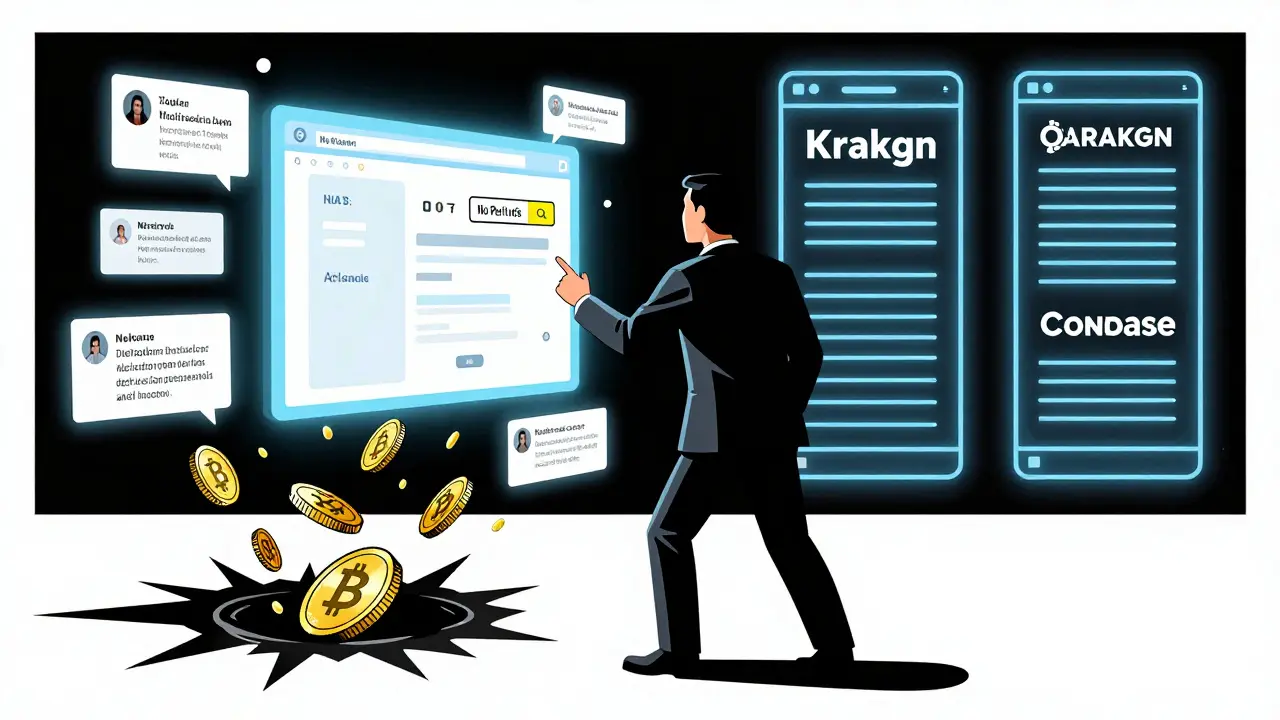
Real Ethereum Exchanges You Can Trust
If you want to trade Ethereum, use platforms with a proven track record:
- Binance - Supports 350+ coins, low fees, institutional-grade security
- Kraken - Regulated in the U.S. and EU, transparent audits, strong customer support
- Coinbase - Beginner-friendly, FDIC-insured USD holdings, easy fiat on-ramps
- Bybit - High liquidity for ETH derivatives, zero-fee spot trading
- Bitstamp - One of the oldest exchanges, founded in 2011, trusted by banks
All of these have public security audits from firms like CertiK, Hacken, or PeckShield. All have two-factor authentication, cold storage, and insurance funds. None of them ask you to send ETH to a random wallet address to "start trading."
How to Spot a Fake Exchange
Here’s a quick checklist:
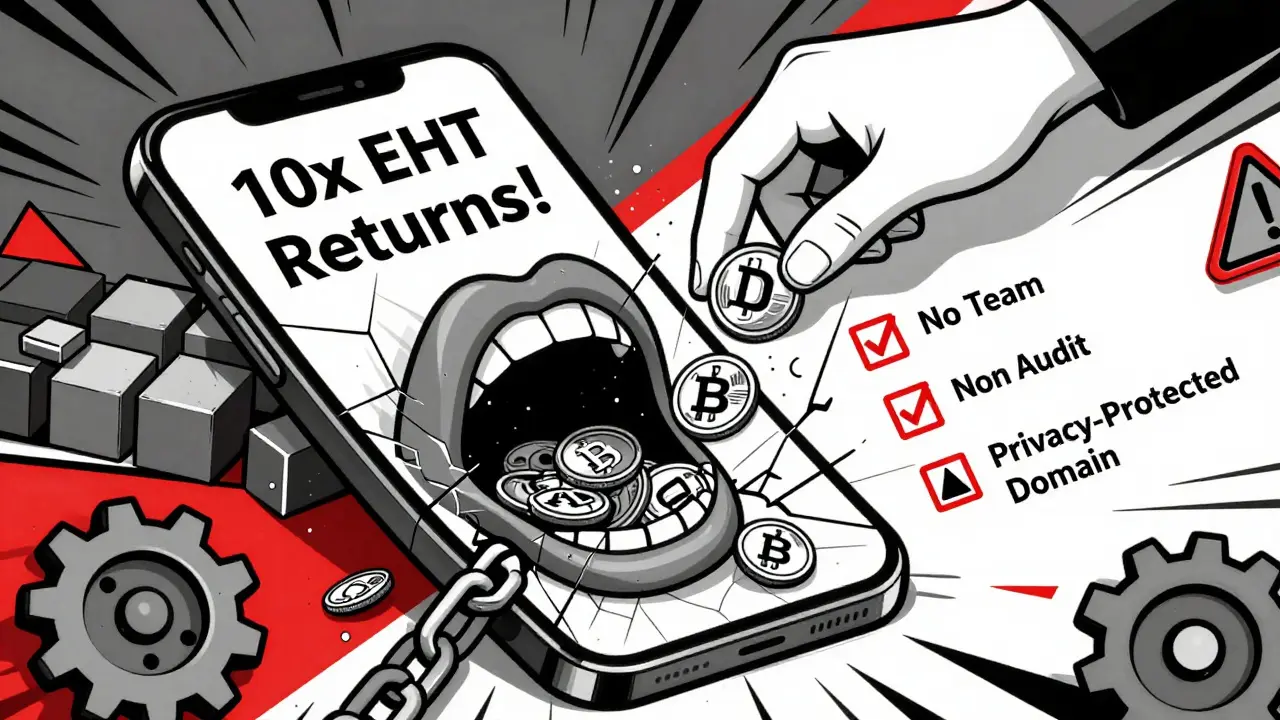
- Domain age - Check whois.domaintools.com. If it was registered last month, walk away.
- No public team - Real exchanges list founders, CTOs, and compliance officers with LinkedIn profiles.
- No audit reports - If they don’t show a smart contract audit or security review, they’re hiding something.
- Too-good-to-be-true offers - "Earn 50% APY on ETH"? That’s not a feature-it’s a trap.
- Only crypto deposits - Legit exchanges let you deposit USD, EUR, or other fiat directly.
DOOAR fails every single one.
What to Do If You Already Sent ETH to DOOAR
If you’ve already sent Ethereum to DOOAR:
- Stop sending more money. No amount of "urgent verification" will get it back.
- Take a screenshot of the transaction ID and the website URL.
- Report it to the FTC at reportfraud.ftc.gov or your local financial regulator.
- Warn others on Reddit, Twitter, or crypto forums. Scammers rely on silence.
- Enable multi-sig or hardware wallet protection on all your other wallets.
Recovering funds from a scam exchange is nearly impossible. Blockchain transactions are irreversible. The only thing you can do is prevent others from falling for the same trap.
Final Warning
DOOAR is not a crypto exchange. It’s a phishing operation. It doesn’t trade Ethereum. It doesn’t store assets. It doesn’t have servers or staff. It’s a website built to steal your ETH and vanish. No one is running it. No one is answering emails. No one is fixing bugs because there’s no real platform to fix.
Stick to exchanges with names you’ve heard for years. Use wallets you control. Never trust a platform that pushes you to act fast. In crypto, the slowest move is the safest one.
Is DOOAR a real crypto exchange?
No, DOOAR is not a real crypto exchange. There are no official records, audits, team profiles, or user reviews for DOOAR. It appears to be a scam website designed to steal Ethereum from unsuspecting users.
Can I withdraw my ETH from DOOAR?
No, you cannot withdraw ETH from DOOAR. Once you deposit funds, the site will either disappear or block withdrawals. DOOAR has no infrastructure to process trades or payouts-it exists only to collect cryptocurrency.
Why does DOOAR look so professional?
Scammers use professional-looking websites to trick people. They copy layouts from real exchanges, use fake testimonials, and create urgency with countdown timers. Appearance doesn’t equal legitimacy. Always verify the platform’s history, team, and security audits.
What should I use instead of DOOAR to trade Ethereum?
Use established exchanges like Binance, Kraken, Coinbase, Bybit, or Bitstamp. These platforms have public audits, regulatory compliance, customer support, and years of operational history. They also support fiat on-ramps and have insurance for user funds.
How do I report DOOAR if I lost money?
Report the scam to your country’s financial fraud authority. In the U.S., file a report at reportfraud.ftc.gov. Include the website URL, transaction hash, and screenshots. Also post warnings on crypto forums like Reddit’s r/CryptoCurrency to help others avoid the same trap.
Comments
Jordan Fowles
It's wild how scammers keep recycling the same playbook-fake names, fake urgency, fake trust. The fact that DOOAR doesn't even have a GitHub repo or a single audit speaks volumes. People still fall for this because they want to believe there's a shortcut. There isn't. The blockchain doesn't care how pretty your website looks.
It's not about being tech-savvy. It's about being skeptical. And that's a skill we all need to practice daily.
Every time someone loses money to this, it makes the whole space look worse. We're not just losing funds-we're losing trust.
December 26, 2025 at 09:10
prashant choudhari
DOOAR is a classic phishing trap. No team no audits no history no nothing. If you see a crypto platform with zero digital footprint but flashy ads, run. Not walk. Run.
Trust the process. Stick to Binance Kraken Coinbase. They've earned their names. DOOAR earned nothing but a domain registration fee.
December 28, 2025 at 06:35
rachael deal
Just shared this with my cousin who got scammed last week. She thought DOOAR was the new 'hot thing' because of a TikTok ad. She’s devastated. Please everyone-spread this post. Save someone else from the same pain.
December 28, 2025 at 20:25
Jake West
Wow. Another ‘educational’ post about a scam that literally no one in their right mind would fall for. Are we still doing this? Like… is this really necessary? I mean come on. Do you think people actually believe in DOOAR? Who even is this for? Grandmas on Facebook?
Also why is everyone acting like this is new? It’s 2024. We’ve seen this movie. The credits roll every week.
December 30, 2025 at 02:41
Mike Pontillo
So let me get this straight. You’re telling me a website with a name like DOOAR isn’t real? Shocking. Next you’ll say the moon landing was real.
December 31, 2025 at 04:27
Elisabeth Rigo Andrews
The real tragedy isn’t the scam-it’s the lack of institutional accountability. Regulators are asleep at the wheel. These platforms are built on zero infrastructure, yet they’re allowed to run ads on Meta and TikTok like they’re legitimate businesses. Where’s the enforcement? Where’s the fines? Where’s the accountability?
This isn’t just fraud. It’s systemic negligence. And until we treat it like a public health crisis, more people will get hollowed out. I’ve seen wallets drained. I’ve seen tears. This isn’t a ‘mistake.’ It’s exploitation.
December 31, 2025 at 16:08
Steve Williams
Thank you for this comprehensive breakdown. The absence of any verifiable presence-be it regulatory, technical, or human-is a definitive marker of illegitimacy. In the field of financial technology, transparency is not optional; it is foundational. DOOAR represents the antithesis of this principle. I urge all users to verify through multiple authoritative channels before engaging with any digital asset platform. Your diligence is your first and best defense.
December 31, 2025 at 18:21
Joydeep Malati Das
It’s not just about DOOAR. It’s about the culture that allows these things to thrive. People chase quick gains without understanding the basics of security. They ignore red flags because they’re emotionally invested in the idea of wealth. The scam isn’t just in the website-it’s in the mindset.
Education is the only real antidote. Not regulation. Not warnings. Real, repeated, accessible education.
January 1, 2026 at 16:42
Bruce Morrison
Just sent this to my Reddit group for new crypto users. We’ve had three people lose money this month to fake exchanges. This post is the one we’re pinning. No fluff. No drama. Just facts. Thank you for writing this.
Also-always check the domain age. If it’s younger than your last Netflix binge, it’s probably a trap.
January 3, 2026 at 00:28
Willis Shane
You’re all missing the point. This isn’t about DOOAR. This is about the fact that we’re still having this conversation in 2024. We have AI-powered fraud detection, blockchain analytics, and global regulatory bodies. Yet here we are, watching people get ripped off by a website that looks like it was built in Canva by a teenager with a Shopify template.
This isn’t incompetence. It’s complicity. The platforms hosting these ads? The ad networks? The social media giants? They’re profiting from this. They know. They’ve known for years. And they don’t care. Until we start suing them for enabling fraud, nothing changes. This post is a Band-Aid on a severed artery.
January 3, 2026 at 11:40