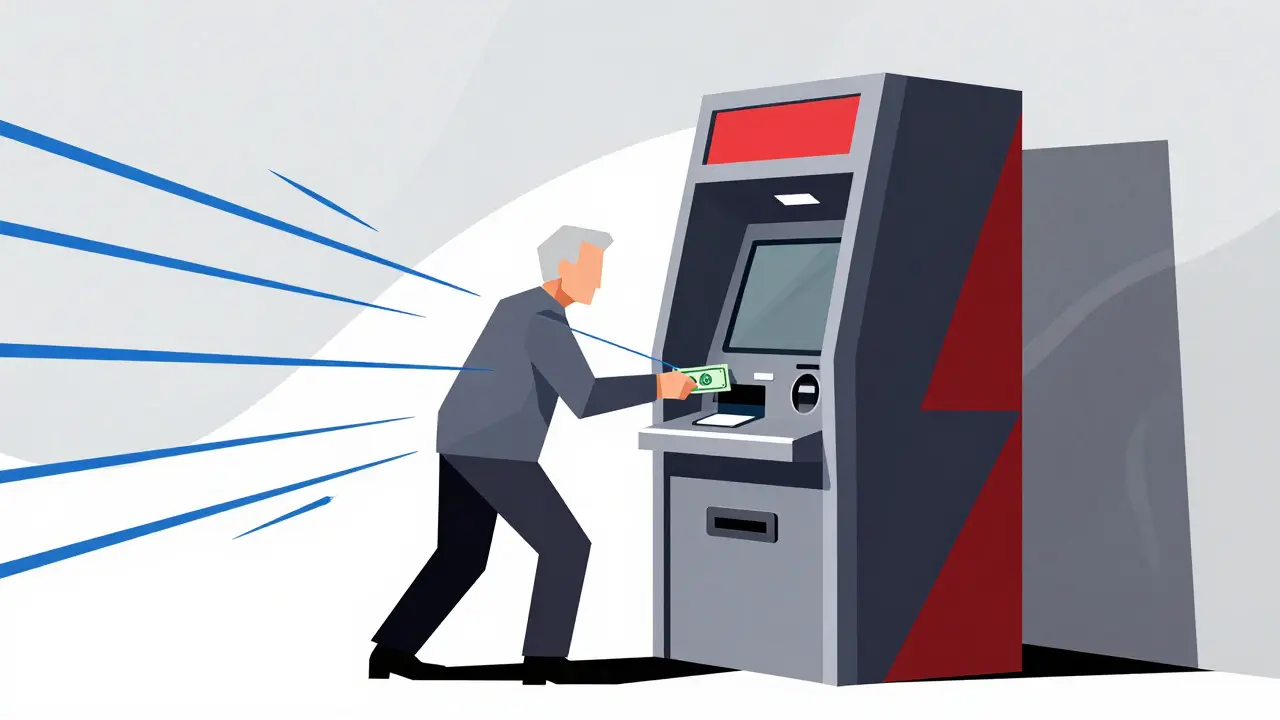
You walk up to a machine that looks like an ATM. You insert cash. You scan a QR code. In seconds, your hard-earned dollars are gone-converted into Bitcoin or Ethereum and sent to a stranger’s digital wallet. There is no bank manager to call. There is no chargeback button. The transaction is final.
This isn’t a scene from a cyberpunk movie. It is the daily reality for thousands of Americans falling victim to the crypto ATM scam epidemic. In 2024 alone, victims lost nearly $247 million through these machines. The FBI’s Internet Crime Complaint Center (IC3) received over 10,956 complaints related to convertible virtual currency (CVC) kiosks. The numbers are staggering, but they only tell part of the story. Behind those figures are seniors drained of their life savings, small business owners tricked by fake invoices, and families left with nothing because the money vanished into the blockchain.
The Anatomy of a Crypto ATM Scam
To understand why these losses are so high, you have to look at how these machines work. Unlike traditional ATMs connected to federal banking networks, many cryptocurrency ATMs are standalone kiosks that facilitate peer-to-peer exchange of fiat currency for digital assets without direct bank oversight. They operate in a regulatory gray area. While traditional banks must follow strict Know Your Customer (KYC) rules, many crypto ATM operators historically treated themselves as exempt from full Bank Secrecy Act obligations, allowing them to bypass rigorous customer identification and transaction monitoring requirements.
Scammers exploit this gap. The most common tactic is social engineering. A victim receives a text message claiming their package delivery failed, or a phone call from someone pretending to be from the IRS. The caller creates panic. Then, they provide a sense of urgency: "Send us money now to avoid arrest," or "Pay this fee to release your funds." Crucially, they ask for payment via a crypto ATM. Why? Because once the cash is inserted and the crypto is sent, it is irreversible. Traditional credit card companies can reverse fraudulent charges. Blockchain transactions cannot.
The demographic data reveals who gets hurt most. According to FBI data, more than two-thirds of crypto ATM fraud victims in 2024 were over the age of 60. This represents a 99% increase in complaints from this group compared to previous years. Seniors are targeted because they often have savings, may be less familiar with digital wallets, and are frequently isolated. The shame associated with being scammed means many never report it, making the official numbers likely an undercount.
Technical Vulnerabilities: When the Machine Betrays You
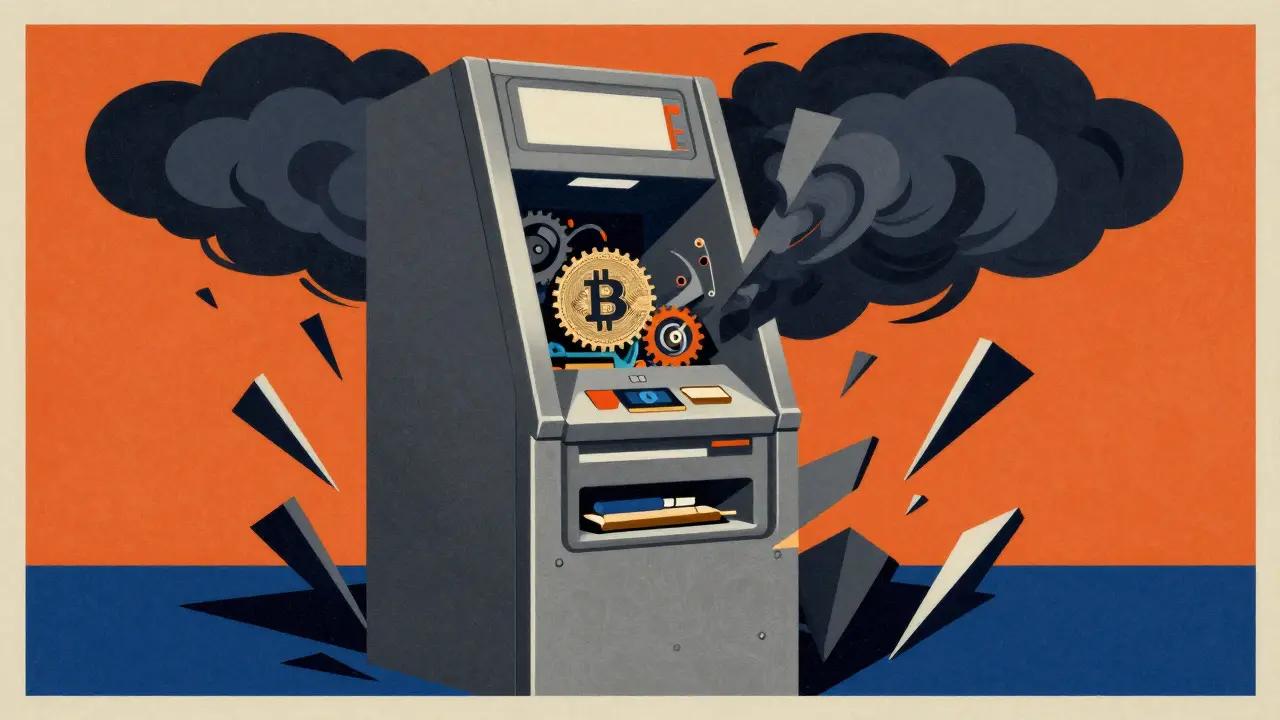
It is not just human error driving these losses. The machines themselves have critical security flaws. In March 2024, security researcher Gabriel Gonzalez from IOActive exposed severe vulnerabilities in the Lamassu Douro Bitcoin ATM, revealing critical software flaws including CVE-2024-0674 that allow unprivileged users to gain root execution access by injecting malicious scripts during the update process.
Here is what that means in plain English. If you used a vulnerable Lamassu kiosk, a hacker standing next to you could potentially manipulate the system. By creating a simple malicious file and triggering an update, they could take full control of the ATM’s operating system. This allows them to install spyware, steal private keys, or even drain the cash box physically if the locks are compromised digitally. These vulnerabilities affect the core software of the device. Even if you are careful, the hardware itself might be working against you. Similar issues may persist in newer versions, suggesting that manufacturers have prioritized speed-to-market over robust security architecture.
Why Crypto ATMs Are a Magnet for Criminals
Criminals prefer crypto ATMs for three main reasons: anonymity, irreversibility, and accessibility.
- Anonymity: Many machines allow transactions without linking to a bank account number visible to the recipient. While operators collect IDs, the end-user receiving the crypto sees only a wallet address.
- Irreversibility: As mentioned, blockchain transactions are permanent. Once the scammer confirms receipt on their end, the victim has no recourse.
- Accessibility: You do not need a smartphone, an internet connection, or a crypto exchange account to use one. You just need cash. This lowers the barrier for entry for both victims and criminals.
The U.S. Department of the Treasury's Financial Crimes Enforcement Network (FinCEN) issued Notice FIN-2025-NTC1 on August 4, 2025, formally warning financial institutions about the growing risks associated with CVC kiosks and emphasizing that their convenience is increasingly exploited by illicit actors. This notice was a wake-up call. FinCEN highlighted that transnational criminal organizations are using these kiosks to launder money and move funds quickly across borders. The combination of technological ease and regulatory lag created a perfect storm for fraud.
The Regulatory Crackdown: Arizona Leads the Way
Something had to change. In 2025, at least 40 states introduced legislation regarding digital assets, but Arizona emerged as the testing ground for serious reform. The state passed the Cryptocurrency Kiosk License Fraud Prevention law, announced by Attorney General Mayes. This law directly addresses the pain points victims face.
Under the new rules, operators in Arizona must implement enhanced warning systems. Before you can complete a transaction, the screen must display clear warnings that you must acknowledge. More importantly, the law caps daily transaction limits. New customers are limited to $2,000 per day, while existing customers can go up to $10,500. This prevents the "big ticket" scams where seniors lose hundreds of thousands in one sitting.
Perhaps the most significant change is the refund mechanism. Operators are now required to issue full refunds, including fees, to new customers who report fraud within 30 days of the transaction. This shifts some of the risk back onto the operators, incentivizing them to vet their locations and monitor for suspicious behavior. If a machine is located in a known high-fraud area, the operator loses money if they don't police it. It is a market-based solution to a regulatory problem.
| Feature | Traditional Bank ATM | Crypto ATM (Pre-Regulation) |
|---|---|---|
| Regulatory Oversight | Strict federal banking laws | Largely unregulated / fragmented state laws |
| Fraud Protection | Chargebacks, insurance, monitoring | None (transactions irreversible) |
| Identity Verification | PIN + Card linked to bank account | Often minimal (phone number or none) |
| Transaction Reversal | Yes, easily reversible | No, permanent on blockchain |
| Primary Risk | Skinning, skimming cards | Social engineering, technical exploits |
Real-World Impact: The Human Cost
Numbers don't capture the devastation. In Scottsdale, Arizona, police reported $5 million lost by residents to cryptocurrency scams in a single year. Families in Peoria lost nearly $1 million the year before. These aren't abstract statistics. They are retirement funds wiped out. They are college savings accounts emptied.
Nancy LeaMond, AARP's executive vice president, noted that lawmakers across the political spectrum are eager to balance innovation with consumer safety. The bipartisan concern stems from the sheer volume of elderly victims. The learning curve for identifying these scams is steep. A teenager might recognize a phishing email. A 70-year-old might see a helpful government agent helping them secure their assets. The trust exploited is deep and personal.
James Wyler, President of Trusted Security Solutions, points out that this is part of a broader fintech challenge. With the rise of quantum computing threats looming, even current encryption methods are under scrutiny. But right now, the threat is simpler: bad people using convenient technology to steal from good people.
How to Protect Yourself in 2026
If you or someone you know uses a crypto ATM, you need to treat it like handling loose cash in a dark alley. Here are practical steps to stay safe:
- Never Send Money Based on Urgency: If someone calls or texts saying you must pay immediately to avoid jail, fines, or missed deliveries, hang up. Government agencies and legitimate businesses rarely demand instant crypto payments.
- Check the Operator: Look for licenses. In regulated states like Arizona, operators must display licensing information. If it’s hidden or missing, walk away.
- Use Small Amounts First: If you must use a kiosk, start with a small test transaction. See if the money arrives in your own wallet before inserting large sums.
- Avoid Public Wi-Fi: Do not connect your phone to open Wi-Fi near the ATM. Hackers can intercept data packets. Use cellular data instead.
- Verify the Wallet Address: Double-check the QR code. Scammers sometimes place stickers over legitimate QR codes to redirect funds to their own wallets. Clean the screen if it looks tampered with.
The landscape is shifting. With FinCEN’s red flag indicators and stricter state laws, the era of the wild west crypto ATM is ending. But until every machine is secured and every operator is compliant, vigilance is your best defense.
How much money was lost to crypto ATM scams in 2024?
According to the FBI's Internet Crime Complaint Center (IC3), victims lost approximately $246.7 million in 2024 due to fraud involving cryptocurrency ATMs. This figure comes from over 10,956 documented complaints.
Who are the most common victims of crypto ATM scams?
Seniors are disproportionately affected. FBI data indicates that more than two-thirds of victims in 2024 were over the age of 60. This demographic saw a 99% increase in complaints compared to previous years, largely due to targeted social engineering attacks.
What new regulations are affecting crypto ATMs in Arizona?
Arizona passed the Cryptocurrency Kiosk License Fraud Prevention law. Key changes include daily transaction limits ($2,000 for new customers, $10,500 for existing ones), mandatory on-screen warnings, and a requirement for operators to refund new customers who report fraud within 30 days.
Are crypto ATMs technically secure?
Not always. Security researchers have found critical vulnerabilities in popular models like the Lamassu Douro. Flaws such as CVE-2024-0674 allow attackers to gain root access to the machine, potentially stealing data or manipulating transactions. Users should assume the hardware may have undisclosed weaknesses.
Can I get my money back if I am scammed at a crypto ATM?
Generally, no. Cryptocurrency transactions are irreversible. However, in jurisdictions with new laws like Arizona, operators may be legally required to refund new customers within 30 days if fraud is reported. Outside of these specific legal protections, recovery is extremely difficult.
What did FinCEN say about crypto ATMs in 2025?
On August 4, 2025, FinCEN issued Notice FIN-2025-NTC1, warning financial institutions about the rising risks of convertible virtual currency kiosks. They highlighted that these machines are increasingly used by transnational criminal organizations and fraudsters due to their lack of robust regulatory safeguards.
Comments
Ryan Robinson
man this is scary stuff. i mean like really scary. my uncle tried to buy some bitcoin last year and almost got robbed blind by some guy on the phone telling him his paypal was frozen lol. glad arizona is doing somethin about it tho. hope other states follow suit soon cause its just wild out there right now.
July 28, 2026 at 04:45
Earl Kott65
Oh, wow! Just wow! 😱 Can you believe these scammers are actually getting away with $246 MILLION?! 🤯 It’s absolutely hilarious how people still fall for the 'IRS wants your crypto' bit in 2025. 🤡 Like, hello? The government doesn’t speak Bitcoin! 📉 I guess we should all just carry cash around and hide it under our mattresses instead of using these dangerous kiosks. 💸 At least then you can’t be hacked remotely! 🛡️ Who needs innovation when you have paranoia, am I right? 🙄
July 28, 2026 at 23:01
Ethan Yuwono
the tragedy here is not just the money but the trust that is broken. when a senior citizen loses their savings it is a loss of dignity too. we build systems that are fast but forget they need to be safe for everyone. perhaps we need to slow down and think about who is left behind in this digital rush. technology should serve us not exploit our fears.
July 29, 2026 at 16:03
Jack Delasquez
Dude this Lamassu vuln is crazy!!! CVE-2024-0674 lets hackers take root access?? That is insane!! They need to patch these machines ASAP or just shut them down!! My cousin lost $5k last month and he is still shaking!! We need better security NOW!! Stop being lazy manufacturers!!
July 30, 2026 at 13:28
Harman Singh
why does nobody care about the poor seniors anymore?? they worked hard for their money and now some kid with a laptop steals it all. it makes me so angry i could scream. my grandma almost fell for this scam last week thank god i was home. these companies dont give a damn about anyone except their profits. typical corporate greed ruining lives again.
July 30, 2026 at 23:09
Qolbina Islami
This is a clear sign of American decay!!! Why are we allowing foreign tech companies to run unregulated ATMs on OUR soil??? The US government has been asleep at the wheel for decades while criminals feast on our elderly citizens!!! We need strict borders for digital assets too!!! If you can't prove you're loyal to the flag, you shouldn't be operating financial infrastructure in the United States of America!!! Wake up, sheeple!!!
July 31, 2026 at 03:42
SUBHAM CHOUDHURY
It is good to see some progress in Arizona. Let us keep pushing for safety everywhere. Every person deserves to feel secure with their finances. Small steps lead to big changes. Stay positive and stay informed friends.
July 31, 2026 at 10:37
Joy Kwant
It is truly disgusting how little empathy these operators have for their victims. To think they profit from the panic and confusion of vulnerable people is morally bankrupt. Society has failed to protect its most fragile members. Until we value human dignity over convenience, these scams will continue. We must demand accountability from every single operator involved in this charade.
July 31, 2026 at 23:48