
Imagine walking into a bustling stock exchange floor, only to find it completely empty. You place an order to buy shares, but there’s no one on the other side of the trade. Your price slips, your execution is delayed, and you wonder if anyone else is even using this platform. This is the reality for many traders attempting to use Coinbit, a South Korean cryptocurrency exchange that has struggled to maintain relevance in a market dominated by giants.
If you are looking for a reliable place to trade Bitcoin or Ethereum in 2026, Coinbit might not be the answer. While it launched with promise in 2018, the platform has faced severe liquidity crises and operational challenges. Before you deposit a single dollar, you need to understand what went wrong, who runs the show, and whether this exchange still holds any value for retail investors.
Who Actually Runs Coinbit?
To evaluate any financial platform, you first need to know who is behind the curtain. Coinbit is a cryptocurrency trading platform operated by Axia Inc., a company headquartered in Seoul, South Korea. The CEO is HyunBaek Park, a figure known in the local tech scene. The platform launched in July 2018, aiming to serve the Asian market with support for Korean, Japanese, Chinese, and English interfaces.
However, confusion often arises because three distinct entities share similar names:
- Coinbit (The Exchange): The South Korean trading platform operated by Axia Inc. This is the subject of our review.
- Coinsbit (The International Platform): A separate entity offering OTC desk trading, staking pools, and IEO platforms. Do not confuse this with the Korean exchange.
- CoinBit (The Mobile App): A portfolio tracking application developed by Binary Bricks. It supports over 4,000 cryptocurrencies but is not an exchange itself.
This naming collision creates noise in search results and user reviews. When reading feedback online, always check which "Coinbit" the reviewer is discussing. For this article, we focus strictly on the Axia Inc.-operated exchange.
The Liquidity Crisis: Why Volume Matters
Liquidity is the lifeblood of any exchange. It refers to how easily you can buy or sell an asset without causing its price to change drastically. High liquidity means tight spreads and fast executions. Low liquidity means slippage, failed trades, and potential losses.
Coinbit’s history is defined by extreme volatility in trading volume. In April 2019, the platform reported a modest 24-hour trading volume of USD 1.8 million. By March 2020, this number skyrocketed to USD 313 million-a staggering 17,300% increase. On paper, this looks like explosive growth. In reality, such sudden spikes in smaller exchanges often indicate wash trading (fake volume generated to appear popular) rather than genuine user interest.
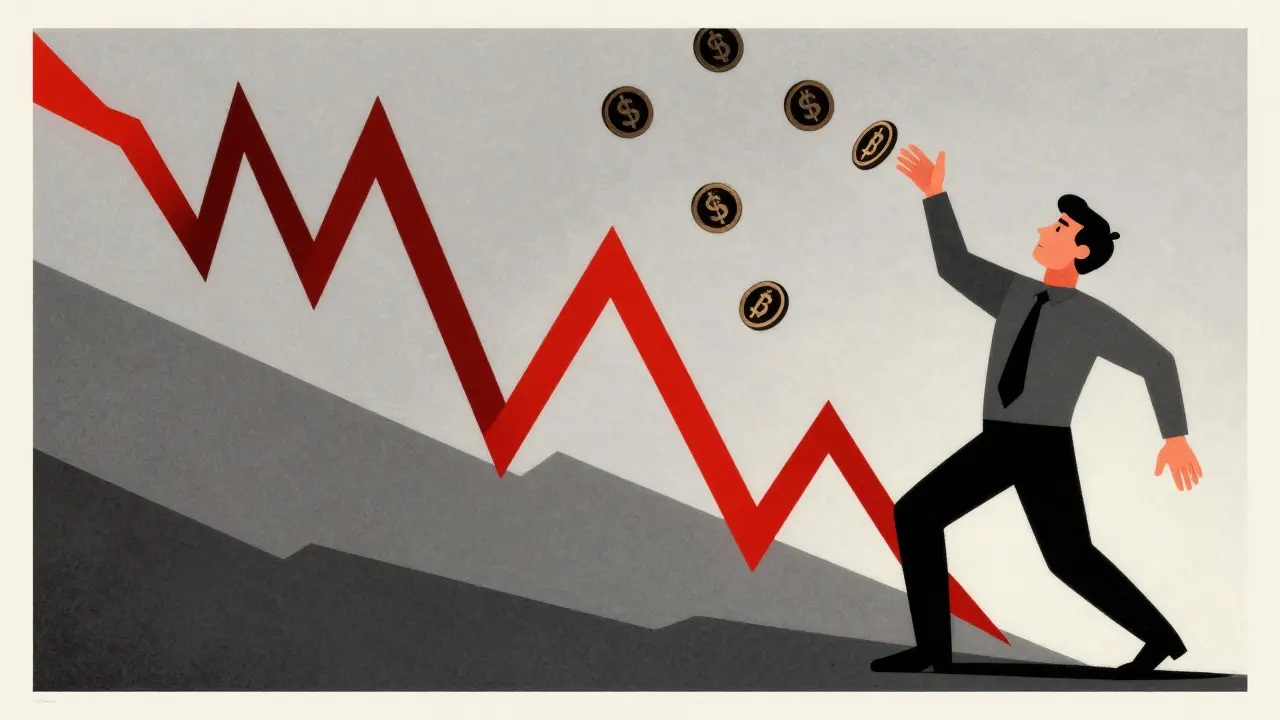
The collapse was just as dramatic. By December 2021, daily trading volumes plummeted to a negligible USD 85.89. This represents a 99.97% decrease from its peak. Such a drop suggests a mass exodus of users and market makers. Without sufficient liquidity, new users face significant risks:
- High Slippage: You might intend to buy Bitcoin at $60,000, but due to lack of sellers, you end up paying $60,500.
- Wide Bid-Ask Spreads: The difference between the buying and selling price becomes too large to trade profitably.
- Execution Failure: Orders may sit unfilled for hours or days, leaving your capital exposed to market swings.
For context, major exchanges like Binance or Kraken process billions in daily volume. Coinbit’s inability to sustain even modest levels indicates fundamental issues with user retention and competitive positioning.
Security and Regulatory Standing
When choosing a crypto exchange, security is non-negotiable. Coinbit operates under South Korean regulations, which are among the strictest in the world. The Financial Services Commission (FSC) and the Financial Supervisory Service (FSS) oversee digital asset service providers (DASPs). Axia Inc. holds the necessary licenses to operate in Seoul.
However, regulatory compliance does not guarantee safety against technical failures or insolvency. The platform positions itself around four core values: security, convenience, speed, and excitement. Yet, the lack of substantial user reviews on trusted third-party sites like Trustpilot or Reddit raises red flags. Major exchanges typically have thousands of reviews-both positive and negative. The silence surrounding Coinbit suggests either a very small user base or a community that has lost faith in the platform.
Additionally, while the CoinBit mobile tracking app emphasizes privacy by keeping data on-device and being open-source, this feature belongs to a different product entirely. Users of the Coinbit exchange should verify what specific security measures Axia Inc. employs, such as cold storage ratios, two-factor authentication (2FA) requirements, and insurance funds. Public documentation on these specifics is sparse, making it difficult to assess risk accurately.
User Experience and Interface
The Coinbit interface supports multiple languages, theoretically making it accessible to international traders. The design is straightforward, catering primarily to spot trading. However, the user experience is heavily impacted by the underlying liquidity issues.
New users often report frustration when trying to execute trades. Unlike established platforms that offer advanced charting tools, API access, and diverse trading pairs, Coinbit’s offerings are limited. If you are an active trader relying on technical analysis or algorithmic strategies, you will find the platform lacking. The absence of deep order books means that large orders move the market significantly, eroding profits.
Customer support is another critical factor. With a dwindling user base, response times may slow down, and knowledge bases may become outdated. In contrast, competitors like Coinbase or Bitfinex invest heavily in 24/7 support and educational resources. For a beginner, this gap can be daunting.
How Coinbit Compares to Major Exchanges
To put Coinbit’s performance into perspective, let’s compare it with industry leaders. The following table highlights key differences in liquidity, features, and trust metrics.
| Feature | Coinbit | Binance | Kraken |
|---|---|---|---|
| Headquarters | Seoul, South Korea | Global (Malta/Cayman) | San Francisco, USA |
| Founded | 2018 | 2017 | 2011 |
| 24h Volume Trend | Declining (Low) | Stable (Very High) | Stable (High) |
| Liquidity Risk | High | Low | Low |
| Advanced Trading Tools | Limited | Extensive | Comprehensive |
| User Reviews | Sparse | Thousands | Thousands |
As shown, Coinbit falls short in almost every metric compared to global leaders. Binance offers superior liquidity, lower fees, and a vast array of altcoins. Kraken provides robust security and excellent customer support. These platforms have survived multiple market cycles, proving their resilience. Coinbit, conversely, appears vulnerable to market downturns.

Is Coinbit Worth Using in 2026?
Based on current data, the verdict is cautious. Unless you have a specific reason to trade on a South Korean-centric platform with limited liquidity, there are better options available. The dramatic decline in trading volume from 2020 to 2021 suggests that the platform has failed to capture meaningful market share despite operating in a crypto-friendly jurisdiction.
Industry trends favor exchanges with proven track records, institutional adoption, and advanced features. Coinbit’s recovery would require substantial investment, strategic partnerships, or technological breakthroughs-none of which are currently evident. For most users, especially those outside Asia, the risks outweigh the benefits.
If you are determined to try Coinbit, start with a small amount. Monitor the order book depth before executing trades. Be prepared for potential slippage. And always keep your long-term holdings in a personal hardware wallet, not on any exchange.
Frequently Asked Questions
Is Coinbit a safe exchange?
Coinbit operates under South Korean regulations, which provide a baseline of security. However, safety also depends on liquidity and user base size. With low trading volumes, there is a higher risk of slippage and execution issues. Always use strong passwords and enable 2FA.
What is the difference between Coinbit and Coinsbit?
They are completely different companies. Coinbit is a South Korean exchange run by Axia Inc. Coinsbit is an international platform offering OTC trading and staking. Confusing them can lead to account errors or missed features.
Why did Coinbit's trading volume drop so much?
Trading volume fell from $313 million in 2020 to less than $100 in late 2021. This likely indicates a loss of market makers and retail users due to better alternatives emerging, poor liquidity, or potential wash trading concerns during its peak.
Can US citizens use Coinbit?
While Coinbit supports English, it is primarily designed for the Asian market. US users often face restrictions due to differing regulatory frameworks. It is advisable to check the latest terms of service or consider US-compliant exchanges like Coinbase or Kraken.
Does Coinbit offer advanced trading features?
No, Coinbit focuses on basic spot trading. It lacks the advanced charting, API depth, and derivatives markets found on larger platforms like Binance or Bybit. Active traders may find the interface limiting.