It’s May 2026, and the crypto world is buzzing with whispers about a CAKEBANK airdrop by Cake Bank. You’ve probably seen the headlines or heard friends talking about free tokens. But here’s the hard truth: there is almost zero credible information about this specific airdrop right now. That silence isn’t normal for a legitimate project.
If you’re looking for details on how to claim CAKEBANK tokens, eligibility criteria, or distribution dates, you might be disappointed. In fact, the lack of official documentation should raise a red flag immediately. In the crypto space, especially after the regulatory crackdowns of 2025, transparency is non-negotiable. Let’s break down what we actually know, why the silence is concerning, and how you can protect yourself from potential scams while waiting for verified news.
The Current Status of CAKEBANK
First, let’s look at the facts. The only concrete data available for the CAKEBANK token shows it trading at an incredibly low price-around $0.00000207 USD. To put that in perspective, this is a micro-cap asset with negligible market presence. It has experienced significant declines, dropping nearly 6% in recent snapshots. This pricing suggests one of two things: either Cake Bank is a brand-new project that hasn’t gained traction, or it’s facing severe liquidity issues.
Legitimate airdrops usually happen when a project has established some credibility. Think about major platforms like PancakeSwap, which runs structured airdrop programs worth thousands of dollars in CAKE tokens. Or look at Binance, which launched its Megadrop program featuring KernelDAO (KERNEL) with clear rules and massive token allocations. These projects announce their plans months in advance through official channels.
Cake Bank, however, lacks this visibility. There are no widespread announcements from reputable crypto news outlets like CoinDesk or Cointelegraph. There’s no active community engagement on Twitter or Discord that matches the scale of typical airdrop campaigns. If a project is giving away tokens, they want attention. They want users. The absence of marketing noise is a huge warning sign.
Why Information Is Missing
You might wonder, "Where are the details?" Here’s why you likely won’t find them:
- Early Planning Stage: The project might still be in development, but even then, teasers are common.
- Geographic Restrictions: Due to U.S. regulations highlighted in DragonFly’s 2025 report, many projects exclude American users. However, they still announce this publicly.
- Scam or Rug Pull: Unfortunately, many fake airdrops pop up using names similar to established brands to trick users into connecting wallets.
- Completed Event: It’s possible the airdrop already happened quietly, but without records, this is unlikely for a public token.
The most probable scenario? This could be a phishing attempt. Scammers often create fake websites claiming to offer "free CAKEBANK tokens" to steal your private keys or drain your wallet. Never connect your main wallet to unverified sites.
How to Verify Legitimacy Before Participating
Before you spend time or risk your funds, follow these steps to verify if the CAKEBANK airdrop is real:
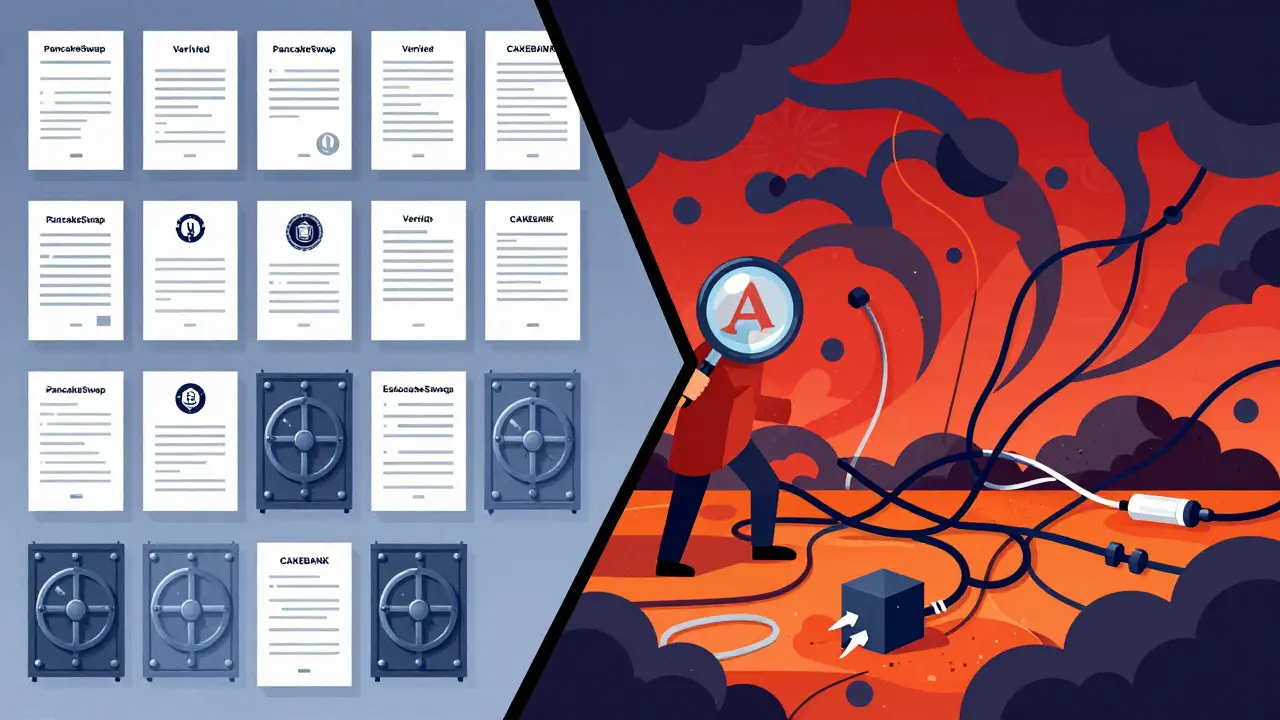
- Check Official Channels: Look for a verified website for Cake Bank. Does it have a whitepaper? Is the team doxxed (identities revealed)? Legitimate projects publish detailed technical docs.
- Search Social Media: Go to X (formerly Twitter). Search for "@CakeBankOfficial" or similar handles. Are they verified? Do they have thousands of followers engaging in meaningful discussion, or just bots posting "Claim Now!"?
- Review Token Contracts: Use blockchain explorers like Etherscan or BscScan. Paste the contract address provided by any source. Check who owns the majority of tokens. If one wallet holds 90%+ of the supply, it’s a high-risk rug pull.
- Consult Community Forums: Visit Reddit’s r/CryptoCurrency or Bitcointalk. Search for discussions about CAKEBANK. If no one is talking about it, be extremely cautious.
- Look for Audit Reports:** Has the smart contract been audited by firms like CertiK or OpenZeppelin? Unaudited contracts are dangerous.
If you can’t answer "yes" to these questions, stay away. Your security is more important than free tokens.
Comparing CAKEBANK to Known Airdrop Models
| Feature | Legitimate Projects (e.g., PancakeSwap) | CAKEBANK (Current Status) |
|---|---|---|
| Official Announcement | Clear blog posts & social media alerts | No verifiable sources found |
| Token Price History | Established market cap & volume | $0.00000207 USD (Micro-cap) |
| Community Engagement | Active Discord/Twitter with mods | Minimal to no traceable activity |
| Regulatory Compliance | Explicit KYC/Geo-restriction policies | Unknown |
| Audit Status | Third-party security audits published | Not confirmed |
This table highlights the stark contrast between established protocols and the current ambiguity surrounding CAKEBANK. Established projects don’t hide their mechanics. They want you to participate because it adds value to their ecosystem. Obscurity is rarely a feature; it’s usually a flaw-or a trap.
Regulatory Context in 2026
The landscape for crypto airdrops changed significantly in 2025 and continues into 2026. The U.S. Securities and Exchange Commission (SEC) and other global bodies have tightened scrutiny. Many projects now require strict Know Your Customer (KYC) checks before distributing tokens. This means you can’t just click a button and get free money anymore. You often need to provide ID.
Additionally, tax implications have become clearer. Proposals suggest treating airdrops like promotional rewards, taxed upon sale rather than receipt. However, this varies by jurisdiction. If CAKEBANK is operating without clear legal frameworks, participating could expose you to unforeseen tax liabilities or legal risks. Always consult a local financial advisor before engaging with obscure tokens.

Red Flags to Watch For
While you wait for verified information, keep an eye out for these common scam tactics associated with fake airdrops:
- Urgency Tactics: Messages saying "Claim within 24 hours or lose out!" Legitimate projects give ample time.
- Requests for Private Keys: No legitimate service will ever ask for your private key or seed phrase.
- Unusual Gas Fees: If claiming requires sending ETH or BNB to a strange address, stop immediately.
- Fake Influencers: Be wary of TikTok or YouTube videos promoting CAKEBANK without links to official sources. Scammers buy bot views to appear popular.
Remember, if it sounds too good to be true, it probably is. Free tokens cost nothing for scammers to promise but can cost you everything in your wallet.
What Should You Do Next?
For now, the best strategy is patience and verification. Don’t rush to claim anything. Instead, set up alerts for official announcements from Cake Bank. Follow reputable crypto news aggregators. Join general DeFi communities where members share verified opportunities.
If you’re interested in airdrops, consider focusing on projects with transparent histories. Platforms like Hyperliquid, Monad, or Abstract have been discussed in 2025-2026 cycles with clearer roadmaps. Engaging with these ecosystems provides safer exposure to potential rewards.
Stay safe, do your own research (DYOR), and never compromise your security for speculative gains. The crypto market rewards caution as much as innovation.
Is the CAKEBANK airdrop real?
As of May 2026, there is no verified evidence that a legitimate CAKEBANK airdrop exists. The lack of official announcements, combined with the token's extremely low market value ($0.00000207), suggests it may be a scam, an unlaunched project, or a phishing attempt. Always verify through official channels before participating.
How can I check if a crypto airdrop is legitimate?
Check for official website documentation, verified social media accounts, third-party smart contract audits (e.g., CertiK), and active community discussions on platforms like Reddit or Twitter. Legitimate projects also clearly state eligibility criteria and geographic restrictions.
What is the current price of CAKEBANK token?
The CAKEBANK token has been reported at approximately $0.00000207 USD, indicating it is a micro-cap asset with very low liquidity and market interest. This price point carries high volatility and risk.
Are there any known scams related to Cake Bank?
While specific scams targeting "Cake Bank" haven't been widely documented due to the project's obscurity, the name similarity to PancakeSwap makes it a target for phishing. Scammers often create fake sites claiming to offer CAKEBANK tokens to steal wallet credentials. Never share your private key.
Should I wait for more information before claiming?
Yes. Waiting is the safest approach. Legitimate airdrops provide ample time for verification. If a site pressures you to act quickly, it is likely a scam. Monitor official news sources for confirmed updates from Cake Bank.