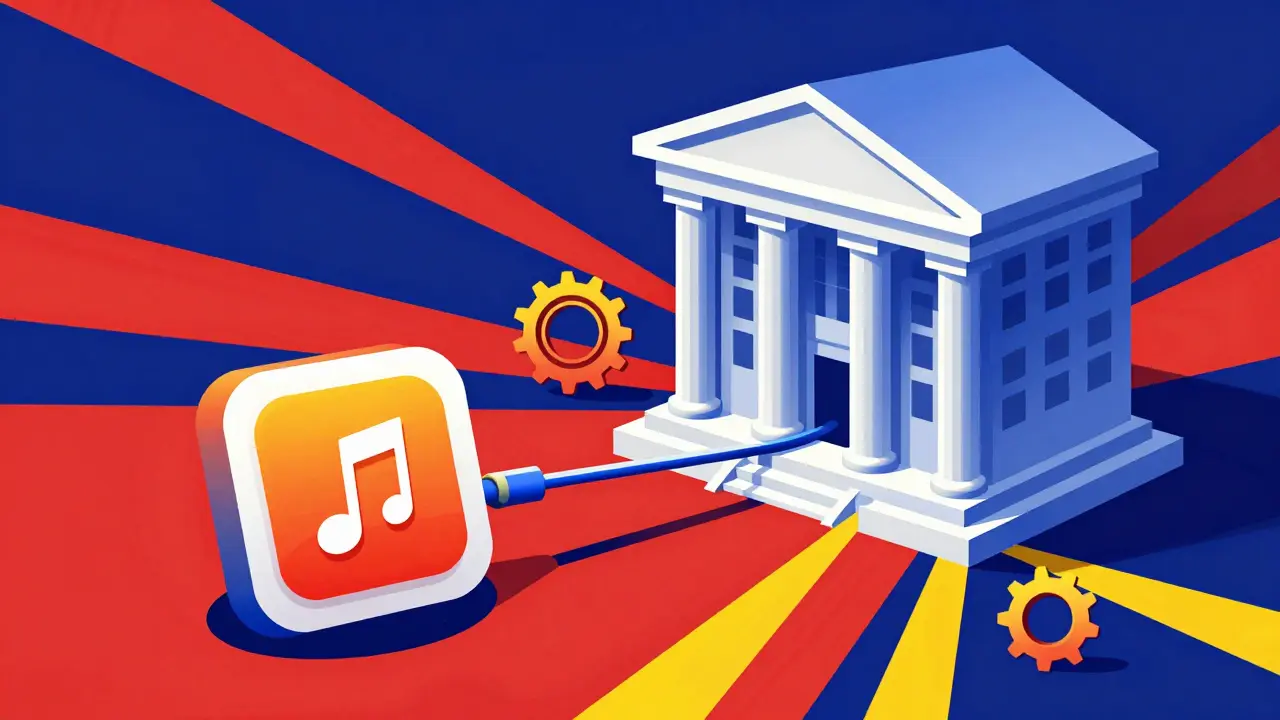
Imagine opening an app to buy concert tickets, but instead of just paying, you can also save money for next time, borrow against your future ticket purchases, or split the cost with friends instantly. You aren't using a separate banking app. The financial services are built right into the experience you already love. This is not science fiction; it is the reality of Banking as a Service (BaaS).
BaaS allows non-bank companies to embed regulated financial products-like accounts, payments, and loans-directly into their platforms. They do this by connecting to licensed banks via APIs (Application Programming Interfaces). For years, only banks could offer these services because getting a license was expensive, slow, and heavily regulated. BaaS changes that dynamic. It turns banking infrastructure into a plug-and-play utility, similar to how cloud computing changed software development.
If you are building a fintech product, running an e-commerce platform, or simply trying to understand where the financial industry is heading in 2026, understanding BaaS is crucial. The market is projected to hit $3.35 trillion in transaction value by 2027. But beyond the hype, what does this actually look like in practice? Who uses it, and why?
The Core Mechanism: How BaaS Works
To understand the use cases, you first need to grasp the engine under the hood. In traditional banking, if a startup wanted to offer savings accounts, they had to apply for a charter, hire compliance officers, build core banking systems, and wait years for approval. That is capital-intensive and risky.
With BaaS, the equation flips. A licensed bank (the provider) offers its regulatory umbrella and core infrastructure through standardized APIs. A non-bank company (the client) builds the user interface and customer experience. When a user opens an account on the client's app, the API sends that request to the bank. The bank verifies identity (KYC), checks for fraud (AML), and creates the account in the background. The client never touches the actual money or the regulatory burden directly.
This model relies on three key pillars:
- Licensed Partners: Banks like Starling Bank, LHV Bank, or Silicon Valley Bank hold the licenses and ensure FDIC insurance or equivalent protections.
- API Infrastructure: Platforms like Unit, Treasury Prime (now part of Galileo), or Tuum provide the technical bridge, translating complex banking functions into simple code commands.
- End-User Experience: The non-bank entity designs the app, sets the branding, and manages customer support.
This separation of concerns allows tech companies to focus on innovation while banks focus on risk management. However, it is not without friction. Integration complexity remains high, often taking 6-9 months for enterprise teams to fully implement, contradicting early vendor promises of "weeks-to-launch."
Top BaaS Use Cases in Action
BaaS is versatile, but certain industries have adopted it more aggressively than others. Here are the most impactful applications seen in the market today.
1. Embedded Finance in E-Commerce
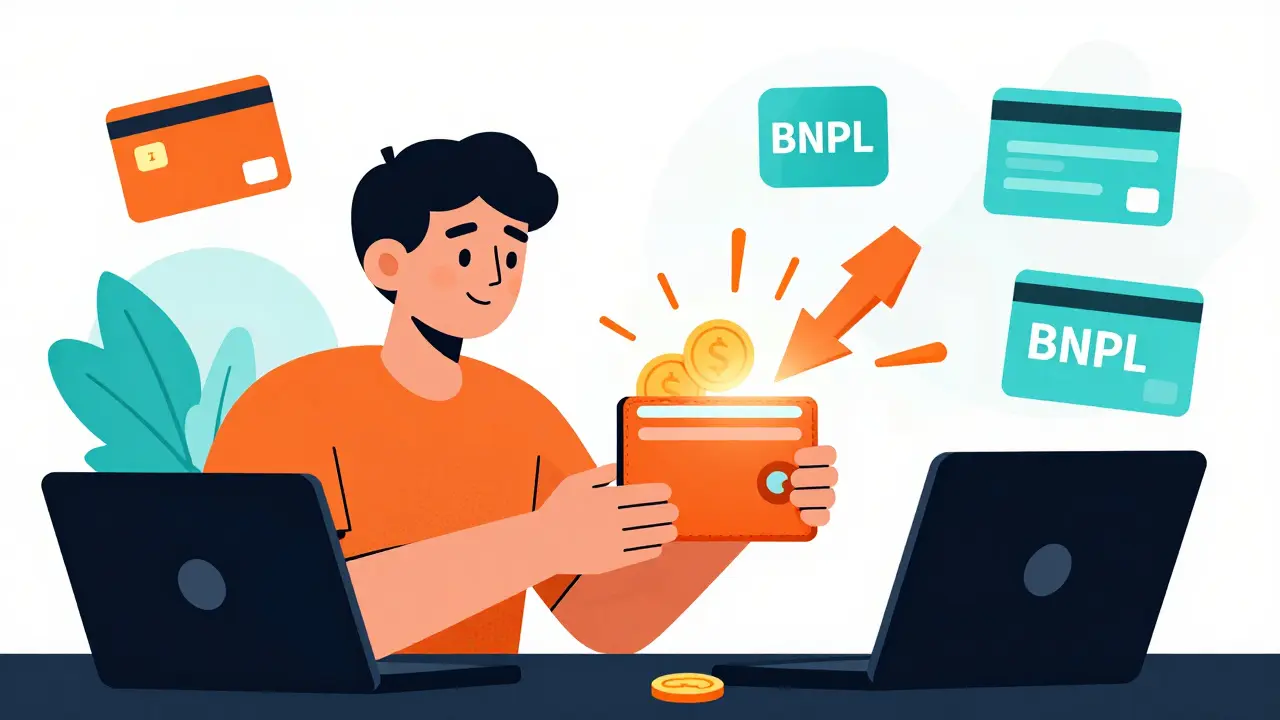
E-commerce platforms are perhaps the biggest beneficiaries of BaaS. Instead of just processing a payment at checkout, retailers can offer buy-now-pay-later (BNPL) options, instant payouts for sellers, or loyalty points that act like cash.
Consider a marketplace for freelance designers. Traditionally, a freelancer would complete work, invoice the client, wait 30 days for payment, and then transfer funds to their personal bank. With BaaS integration, the platform can issue a virtual card or digital wallet to the freelancer. As soon as the client pays, the funds settle instantly into the freelancer’s embedded account. The platform can even offer short-term working capital loans based on the freelancer’s transaction history within the system. This keeps users engaged and reduces churn.
2. Neobanks and Digital-Only Banking
Many popular "banks" you know today are not banks at all. Chime, Revolut, and N26 are prime examples. They are technology companies that partner with established banks to offer checking, savings, and debit cards.
For instance, Chime partners with The Bancorp Bank and Stride Bank to provide FDIC-insured accounts. This allows them to move fast, update apps weekly, and offer features like "Early Direct Deposit" without the overhead of maintaining a physical branch network. According to recent data, over 40% of consumer banking interactions now occur through such non-bank platforms. This model works because neobanks excel at user experience (UX) design, while their partners handle the heavy lifting of regulatory compliance.
3. Corporate Expense Management and Payroll
For businesses, managing employee expenses and payroll is often a nightmare of receipts, spreadsheets, and delayed reimbursements. BaaS enables platforms to embed corporate cards and expense tracking directly into HR or accounting software.
A company might use a platform like Ramp or Brex. These services issue virtual cards to employees for specific budgets. When an employee swipes the card, the transaction data flows back to the platform in real-time. The platform can automatically categorize the expense, flag anomalies, and reconcile it with invoices. This eliminates manual entry and provides CFOs with real-time visibility into cash flow. The underlying BaaS infrastructure handles the settlement and clearing, ensuring the money moves correctly between banks.
4. Gig Economy and Creator Platforms
The rise of the gig economy has created a demand for flexible financial tools. Platforms like Uber, DoorDash, or Patreon need to pay millions of drivers and creators efficiently across different currencies and regions.
BaaS allows these platforms to offer instant payout features. Instead of waiting for a weekly batch process, a driver can cash out their earnings immediately after a ride. This requires sophisticated cross-border payment rails and multi-currency account structures, which BaaS providers specialize in. Additionally, some platforms are beginning to offer micro-investing or savings plans tailored to irregular income streams, helping gig workers build financial stability.
5. Travel and Hospitality
Travel apps are integrating financial services to reduce friction. Imagine booking a flight and hotel through one app, and having the ability to hold funds for incidentals without needing a credit card deposit. Or receiving travel insurance that auto-compensates you for delays via an embedded wallet.
Some travel platforms now offer prepaid travel cards loaded with local currency before you even land. This avoids foreign transaction fees and gives travelers better control over their spending. The BaaS provider handles the currency conversion and regulatory reporting, while the travel app enhances the customer journey.
Comparing BaaS Models and Providers
Not all BaaS solutions are created equal. The market is fragmented into different tiers, each with distinct advantages and limitations. Understanding these differences is critical for choosing the right partner.
| Provider Type | Examples | Key Advantage | Main Limitation |
|---|---|---|---|
| Direct Bank Partnerships | Starling Bank, LHV Bank | Strong regulatory standing, direct access to core banking | Slower integration, less flexible APIs |
| Infrastructure Aggregators | Treasury Prime (Galileo), Unit | Developer-friendly APIs, faster time-to-market | Higher fees, dependency on multiple underlying banks |
| Full-Stack Fintechs | Revolut, Chime | Complete end-to-end experience, strong brand recognition | Not available as a service to other companies |
When evaluating providers, consider the following factors:
- Regulatory Coverage: Does the provider operate in your target jurisdictions? For example, PSD2 compliance is essential in Europe, while state-by-state money transmitter licenses are needed in the US.
- API Reliability: Look for uptime guarantees and SLA response times. Downtime in financial services can lead to immediate loss of trust.
- Pricing Structure: Fees vary widely. Some charge per account opened (£0.50-$0.63), others take a percentage of transaction volume (15-25%). Be wary of hidden costs for compliance or support.
- Support Quality: Integration issues will arise. Ensure the provider offers dedicated technical support, not just generic helpdesk tickets.
Challenges and Risks in BaaS Implementation
While the benefits are clear, BaaS is not a silver bullet. Several challenges persist that can derail projects if not managed carefully.
Regulatory Fragmentation
Financial regulations differ significantly across borders. The EU’s Digital Operational Resilience Act (DORA) requires strict resilience testing, while US regulations vary by state. Navigating this landscape requires expertise. A feature that is compliant in London may be illegal in New York. Companies must work closely with legal counsel and choose BaaS partners who have robust compliance frameworks in place.
Integration Complexity
Vendors often promise easy integration, but reality is messier. Connecting to legacy banking systems via APIs can be unpredictable. Webhook delivery failures, reconciliation errors during high-volume periods, and inconsistent documentation are common pain points. Developers report spending months debugging these issues rather than building new features.
Consumer Protection and Transparency
Users often don’t realize they are interacting with a third-party bank. This lack of transparency can lead to disputes. If a transaction fails, who is responsible? The app developer or the bank? Recent lawsuits, such as those involving Uber’s cashout feature, highlight the importance of clear disclosure. Users must know who holds their money and what protections apply.
Profitability Pressures
Gartner notes that 70% of BaaS implementations fail to achieve profitability within 24 months. Why? Because compliance costs are underestimated, and customer acquisition is expensive. Many startups burn through cash trying to scale before they have a sustainable unit economics model. Revenue-sharing models with BaaS providers can eat into margins further.
Future Trends: What’s Next for BaaS?
The BaaS landscape is evolving rapidly. Here are three trends to watch in 2026 and beyond.
AI-Driven Underwriting
Traditional lending relies on credit scores, which exclude many consumers. BaaS platforms are integrating AI to analyze alternative data-such as cash flow patterns, transaction history, and even social media behavior-to assess creditworthiness. This enables faster, more inclusive lending decisions, particularly for SMEs and gig workers.
Cross-Border Payments via ISO 20022
The global adoption of the ISO 20022 standard is streamlining international payments. BaaS providers are leveraging this to offer seamless cross-border transactions with lower fees and faster settlement times. This is crucial for global e-commerce and remote workforces.
Enhanced Regulatory Technology (RegTech)
As regulators tighten oversight, BaaS providers are investing heavily in RegTech. Automated KYC/AML checks, real-time fraud detection, and audit trails are becoming standard features. This reduces the compliance burden on clients but increases the sophistication required from BaaS platforms.
Conclusion: Is BaaS Right for You?
Banking as a Service is transforming how we interact with money. It democratizes access to financial infrastructure, allowing innovators to build better experiences without the baggage of traditional banking. Whether you are an e-commerce platform looking to increase retention, a neobank aiming to scale quickly, or a corporation seeking to streamline expenses, BaaS offers powerful tools.
However, success requires careful planning. Choose the right partner, understand the regulatory landscape, and prioritize user transparency. The companies that thrive will be those that leverage BaaS not just as a technical backend, but as a strategic advantage to create seamless, integrated financial experiences.
What is the difference between BaaS and traditional banking partnerships?
Traditional banking partnerships often involve bespoke integrations and long negotiation periods. BaaS provides standardized, API-driven access to core banking functions, allowing for faster deployment and greater flexibility. BaaS treats banking as a modular utility, whereas traditional partnerships are often custom-built relationships.
Is my money safe when using a BaaS-powered app?
Yes, if the BaaS provider partners with a licensed bank. In the US, funds are typically held in FDIC-insured accounts up to $250,000 per depositor. In Europe, similar protections exist under national deposit guarantee schemes. Always check the terms of service to see which bank holds your funds and what insurance applies.
How much does it cost to integrate BaaS?
Costs vary widely. Some providers charge a monthly base fee (e.g., £20,000/year) plus per-account fees (£0.50/account). Others use revenue-sharing models (15-25% of transaction fees). Additionally, internal costs include developer time for integration (6-9 months for enterprise teams) and ongoing compliance monitoring.
Can I use BaaS to launch my own neobank?
Yes, this is one of the most common use cases. By partnering with a BaaS provider, you can offer checking, savings, and debit cards under your own brand without obtaining a banking license. Examples include Chime and N26, which rely on partner banks for regulatory compliance and fund custody.
What are the main risks of using BaaS?
Key risks include regulatory fragmentation (different rules in different regions), integration complexity (technical bugs and downtime), and reputational damage if the BaaS partner faces scandals or insolvency. Additionally, profitability can be challenging due to high customer acquisition costs and compliance expenses.