
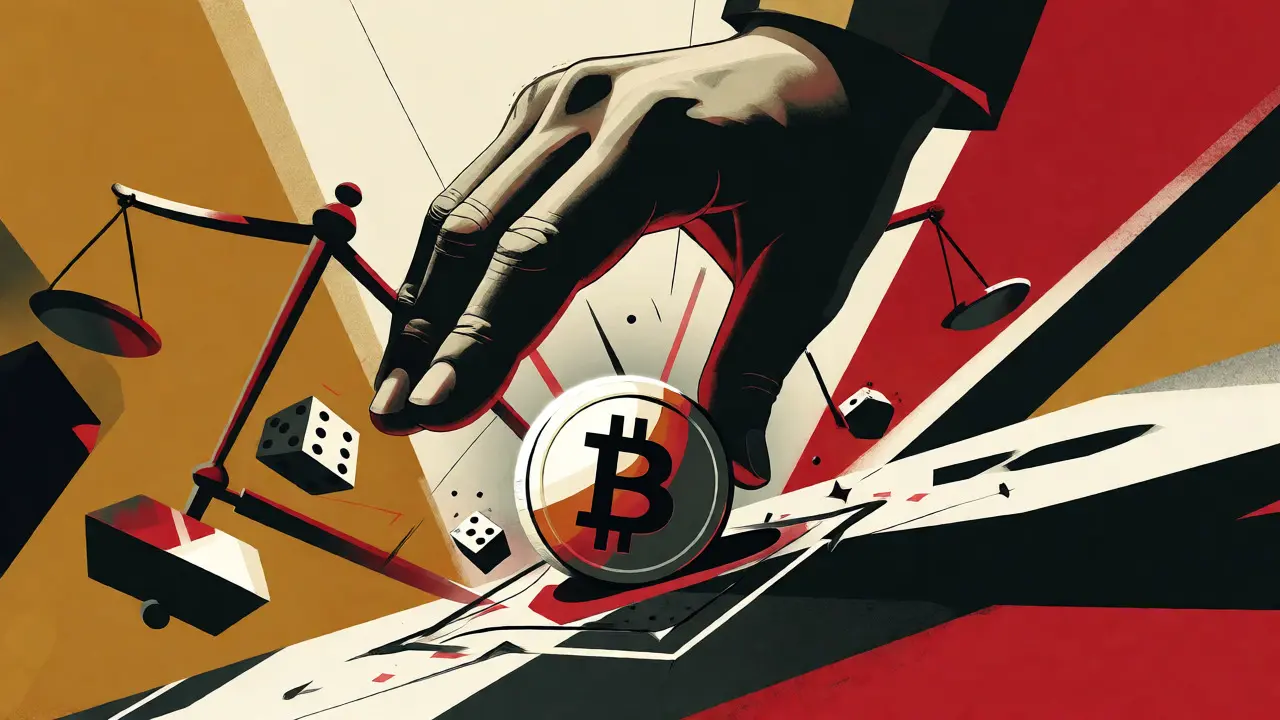
Imagine going from being one of the fastest-growing cryptocurrency adopters on the planet to having every digital asset transaction declared illegal overnight. That is exactly what happened in Afghanistan. In August 2022, just a year after the Taliban seized control of Kabul, the new government slapped a comprehensive ban on all things crypto. They didn't just regulate it; they outlawed trading, mining, and even holding Bitcoin. The reason? A strict interpretation of Sharia law that views these volatile digital assets as "haram"-forbidden gambling.
This move shocked the global blockchain community. Just months prior, Afghans had been rushing to Bitcoin as their banks froze and international aid vanished. Now, owning a digital wallet could get you arrested. But here is the twist: bans don't always stop technology. Despite the crackdown, an underground market has thrived, driven by economic desperation and the need for financial survival. Let's look at why this ban happened, how it works, and why it might not stick.
The Rise Before the Fall
To understand the shock of the 2022 ban, you have to look at the chaos of 2021. When the Taliban took over in August 2021, the country’s economy imploded. International sanctions hit hard, freezing billions in foreign reserves. Banks stopped functioning reliably. People couldn't access their savings. Enter cryptocurrency.
For many Afghans, Bitcoin became a lifeline. It wasn't about speculation for most; it was about keeping value. With the local currency plummeting and cash shortages severe, digital assets offered a way to store wealth outside the failing banking system. Adoption skyrocketed. By late 2021, Afghanistan ranked 20th out of 154 countries in the Chainalysis Global Crypto Adoption Index. That is an incredible feat for a nation with limited internet infrastructure-only about 8.6 million people had online access out of a population nearing 40 million.
Peer-to-peer (P2P) exchanges flourished. You didn't need a bank account to buy Bitcoin. You needed a phone, an internet connection, and a trusted contact. This decentralized nature made it perfect for a society where formal institutions were collapsing. But this rapid adoption caught the attention of the new rulers, who viewed it with deep suspicion.
Why the Taliban Banned Cryptocurrency
The Taliban’s decision wasn't based on technical concerns like energy consumption or money laundering risks, which often drive bans in other countries. Instead, the justification was religious. In August 2022, the Taliban’s central bank issued a directive halting all domestic Bitcoin trading activities. The core argument rested on Islamic finance principles.
Under traditional Sharia interpretations, money must have intrinsic value or be backed by real-world assets. Critics argue that cryptocurrencies lack this backing. Furthermore, because their prices swing wildly, the Taliban classified them as speculative gambling, known as *maisir* in Islamic jurisprudence. Gambling is strictly forbidden (*haram*). Therefore, buying, selling, or mining Bitcoin was deemed sinful and illegal.
This stance places Afghanistan in a small club of restrictive jurisdictions. According to data from Binance, only about nine countries globally still prohibit Bitcoin usage as of recent years. Most nations are moving toward regulation and acceptance, but Afghanistan doubled down on prohibition. The government declared that no legal recognition would be given to any digital asset operations, effectively criminalizing the entire sector.
Enforcement and Underground Markets
You might wonder: if it is illegal, does anyone actually use it? Yes, but quietly. The ban forced cryptocurrency into the shadows. Formal exchanges shut down. Traders moved to private networks. Enforcement has been inconsistent. The Taliban authorities conduct occasional raids and arrests, targeting visible traders and miners. However, policing a decentralized network in a country with resource constraints is incredibly difficult.
The result is a robust black market. USDT (Tether), a stablecoin pegged to the US dollar, has become particularly popular for remittances. Because traditional banking channels are broken, Afghans rely on P2P transfers to send money home from abroad. These transactions happen via WhatsApp, Telegram, or in-person meetups, bypassing official oversight entirely.
| Feature | Official Stance (Taliban) | Underground Reality |
|---|---|---|
| Legal Status | Banned / Haram | Tolerated informally / High Risk |
| Primary Use Case | None recognized | Remittances, Savings, Trade |
| Popular Assets | N/A | Bitcoin (BTC), Tether (USDT) |
| Access Method | Prohibited Exchanges | P2P Networks, Informal Brokers |
| Risk Level | Low (No activity) | High (Arrests, Confiscation) |
By November 2022, shortly after the ban, reported transaction volumes dropped drastically to around $80,000 monthly. This figure likely represents only the tip of the iceberg, as informal trades go unrecorded. The resilience of this underground market highlights a fundamental truth: when the formal economy fails, people find ways to transact, regardless of laws.
Impact on Women and Financial Freedom
The crypto ban hits women harder than men. Under Taliban rule, women face severe restrictions on employment, education, and movement. Many lost their jobs in NGOs and government sectors. Without access to formal banking due to lack of identification documents or male guardianship requirements, women found themselves financially stranded.
Cryptocurrency offered a unique form of autonomy. Roya Mahboob, founder of the Digital Citizen Fund, has highlighted how Bitcoin can serve as a tool for women's empowerment in such restrictive environments. For women who cannot easily visit banks or hold physical cash securely, a digital wallet accessible via smartphone provides a degree of financial independence. It allows them to save, receive remittances, and manage household finances without relying on male relatives.
Organizations like the Human Rights Foundation have collaborated with local groups to teach digital literacy and Bitcoin basics to Afghan women. The goal isn't just investment; it's survival. As Mahboob noted, cryptocurrency gives women "a hope of financial freedom" in a system designed to limit their agency. The ban threatens to strip away this fragile layer of economic independence, forcing women back into total dependence on family structures that may also be struggling.

Global Context and Future Outlook
Afghanistan stands out as an outlier in the global regulatory landscape. While countries like Morocco lifted their Bitcoin bans in 2024 and others in Europe and Asia create clear tax frameworks, Afghanistan remains firmly opposed. Neighbors like Iraq and China maintain similar prohibitions, but for different reasons. Iraq cites financial security and consumer protection, while China focuses on capital controls and energy concerns. Egypt maintains a religious ban similar to Afghanistan's, though enforcement varies.
Experts suggest that long-term sustainability of the ban is questionable. The economic pressure on the Afghan population is immense. The United Nations warned in 2022 that 97% of Afghans could fall below the poverty line. When people are starving, they prioritize survival over compliance with religious edicts regarding digital assets. If the formal economy doesn't recover, the demand for alternative payment methods will only grow.
Moreover, the decentralized nature of blockchain makes total eradication nearly impossible. You can shut down exchanges, but you can't easily delete code running on thousands of devices worldwide. As internet access slowly improves and mobile penetration increases, the friction required to use crypto decreases. The Taliban’s additional restrictions on high-speed internet further complicate matters, potentially isolating the country even more while simultaneously driving users toward low-bandwidth solutions like SMS-based crypto services.
Will the ban last? History suggests that authoritarian regimes often struggle to suppress technologies that offer tangible economic benefits. Unless the Taliban introduces a viable state-backed digital currency or restores trust in the national banking system, the underground crypto market will likely persist. It serves a critical function in a financially isolated nation, bridging gaps that traditional systems can no longer fill.
Frequently Asked Questions
Is Bitcoin completely illegal in Afghanistan?
Yes, since August 2022, the Taliban government has officially banned all cryptocurrency activities, including trading, mining, and holding. Authorities justify this under Sharia law, classifying crypto as haram (forbidden) due to its speculative nature. However, enforcement is inconsistent, and peer-to-peer trading continues in underground markets.
Why did the Taliban ban cryptocurrency?
The primary reason is religious. The Taliban interprets Islamic law to mean that money must be backed by real-world assets. Since cryptocurrencies like Bitcoin are not backed by physical commodities and are highly volatile, they are considered a form of gambling (maisir), which is forbidden in Islam.
Can Afghans still use cryptocurrency despite the ban?
Yes, many do. Due to the collapse of the formal banking system and economic instability, Afghans continue to use crypto for remittances and savings. Transactions occur through informal peer-to-peer networks using apps like Telegram and WhatsApp, bypassing official exchanges.
How does the crypto ban affect women in Afghanistan?
Women are disproportionately affected because they already face restricted access to formal banking and employment. Cryptocurrency provided some financial autonomy and a way to receive funds independently. The ban removes this option, increasing their reliance on male guardians and limiting their economic participation.
Which other countries have banned cryptocurrency?
As of recent data, only about nine countries globally maintain outright bans on cryptocurrency usage. These include Afghanistan, China, Egypt, Iraq, and Algeria. However, many other nations that previously banned crypto, such as Morocco, have since lifted their restrictions in favor of regulation.
Comments
KRISHAN LAKHIWAL
Sharia law interpretation is subjective. The Taliban's ban ignores the utility of blockchain for financial inclusion in failed states. It is a regressive move that stifles economic survival mechanisms.
September 27, 2026 at 13:55
Aman Kumar Shah
Dude, this situation is absolutely mind-blowing!!! Imagine trying to explain Bitcoin to someone who thinks it’s gambling while their bank account is frozen??? It’s like trying to sell ice to Eskimos but the Eskimos are also being told fire is haram!!! The resilience of these people is inspiring and heartbreaking at the same time... they just want to keep their money safe from inflation and political chaos, yet they get treated like criminals for using technology that actually works better than the broken system they were left with!!! I hope the underground market keeps thriving because honestly, the formal economy there seems totally cooked!!!
September 28, 2026 at 11:53
Tiffany Kee
It breaks my heart to read about the impact on women. Cryptocurrency was one of the few tools giving them autonomy when everything else was taken away. I really hope international organizations can find ways to support digital literacy without putting these women at further risk. It feels so unfair that they are punished twice: once by societal restrictions and again by government bans.
September 29, 2026 at 12:36
Dana T.
Enforcement is theater. You cannot ban math. The P2P layer persists because the state lacks the infrastructural capacity to monitor every wallet address. This isn't about Sharia; it's about control. When the state fails to provide liquidity, private liquidity fills the void regardless of regulatory posture. The 'haram' argument is a convenient smokescreen for monetary sovereignty issues.
September 29, 2026 at 18:02
Kerry Sims
There is a deeper philosophical irony here. The Taliban rejects crypto for lacking intrinsic value, yet the fiat currency they oversee has lost nearly all its purchasing power due to sanctions and mismanagement. If value is derived from trust, then the community consensus around Bitcoin offers more stability than a central authority that freezes assets arbitrarily. We are seeing a clash between two different definitions of what constitutes 'money' and 'value'. One relies on institutional backing which has evaporated, the other on cryptographic proof which remains intact despite legal prohibition. It forces us to ask if legality is a prerequisite for economic reality.
September 30, 2026 at 09:02
Steve Parshall
Keep pushing forward! Even with the bans, the spirit of adoption is strong. Every transaction in the shadows is a victory for financial freedom. Stay resilient!
October 2, 2026 at 02:59
Precious Ekwuribe
its kinda sad tbh. i mean yeah sharia says no but like how do u expect people to survive w/o banks?? the gov cant even pay salaries properly lol. its not gambling if ur just tryna buy bread next week. ppl r desperate not stupid.
October 3, 2026 at 02:53